Lina Alfonso
Chapter 2:Exercise 1
The Advantages of Forming an IRB:
- Understanding the experiment being conducted: In order to understand the nature of the research, the IRB reviews the details of the experiment to ensure the areas of interest pertain to the experiment. By doing this, the IRB ensures the protection of rights and welfare of the participants.
- Minimizing the risks on Human Subjects: The IRB ensures that the procedures in a research experiment are sound and do not expose the participants to risks. This includes reviewing any harmful or injury prone research.
- Ensuring the participants are aware of the research procedures, risks, and methods on the experiment: The informed consent details what the participant is agreeing to and ensures they do not have to continue with the research experiment is they no longer want to.
- Make sure the provisions maintain confidentiality of both the participants and research data: The privacy of the participants in the study is ensured within the rights of the participant
The Disadvantages of Forming an IRB:
- The process of beginning a research experiment is tedious and takes time: There are many forms and documents that have to be created to proceed with the experiment. This is where the IRB takes their time to review the documents in order for the researches to proceed with the experiment.
- IRB cannot identify all possible risks to different participants: every person is different and react to situations differently. There could be emotional risks that cannot be accounted for.
- Many research consent forms are broad to give researchers flexibility but leads to ambiguous procedures for participants: The way consent forms are produced are to ensure that researchers are given various options to adjusting experiment methods and leaves participants with vague procedures.
Chapter 2: Exercise 2
The possible unforeseen consequence of research includes stereotyping participants by generalizing characteristics of a particular group of people to every member in that group. This may cause the researcher to ask questions in a bias manner that could affect the way participants respond. For example: some male researchers may talk town or dominate the conversation when asking a female participant questions. This could cause the woman to feel inferior and not respond questions to her full potential.
A way to avoid harm to participants is to properly inform them of the methods being used in the research study. By doing this they are given the details of how they are contributing the the study. People are more inclined to do something if they know how and what is is they are doing. Another way to prevent harm is to make the participant feel comfortable. If the participant feels confident with the researcher then the result become more naturally occurring. Comfort is important when researchers want to know what the person is truly thinking.
Tania Duran –
Chapter 2:Exercise 3
What are some fair incentives for participating in research?
- No harm
- Some type of reward (money, gift card, etc)
- Confidentiality
- To get more accurate knowledge of the data
- Access to educational opportunities
- Donation to charities
Theoretically, would you let your own child participate in a research study? Why or why not? Based on your response, what should researchers bear in mind?
Yes I would let my child participate, as long as it doesn’t affect them psychologically or physically. Researcher should keep in mind the child’s age, natural environment meaning what they are use to being around on a daily basis. Also, be aware of their personality.
If your child had a disability, would you let him or her participate in research? Why or why not?
Yes because it can give them more information on a specific disability depending on what they are researching. Also for the child it may help them feel included, just because they are different doesn’t mean they can’t help in research.
Chapter 2:Exercise 4 – Elona Poltiyelova
What would you do if you suspected that data fraud was being perpetrated on a project you were involved in?
If I thought someone was fabricating data on the project I was working on, I would make sure to solve the issue. I would re-do the results or gather my own data and see if the results would match up. If there is a drastic change, fabrication is then concluded and I would speak to every member that had access to the data. I will get higher authorities involved if I have to, to find out who the fabrication came from. Not only are they putting themselves at risk, but if I hadn’t suspected this falsification, my name would also be in a bad reputation, since I am the primary researcher of the project.
In your opinion what should happen to scientists who fabricate data?
I believe those who falsify and fabricate data should be severely punished. Presenting false information to the public may have detrimental effects, especially if medical research is falsified. This can even effect people’s lives and well- being if the research is applied to use. Therefore if one falsifies research I believe they should be publicly exposed to ruin their reputation. Additionally they shouldn’t be able to practice. Therefore they wont be able to continue researching anymore. This will protect the public from further falsifications that could have been done by the researcher in the future.
Chapter 8: 1 and 2
- Find eight graphs in the news. Present these graphs to your class or your lab. Would you change these graphs—and, if so, in what ways?
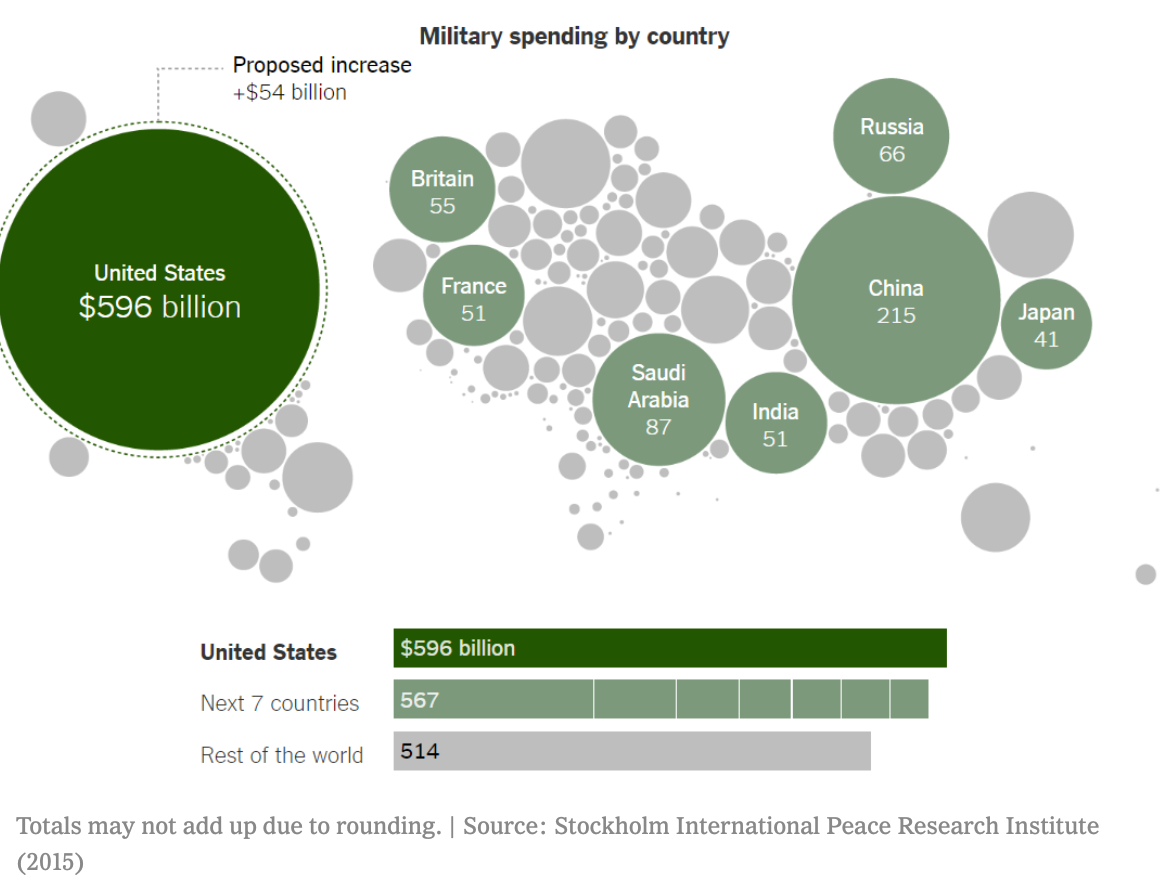
This graph shows how much money the US spends on military compared to other countries. It is very extreme to think about
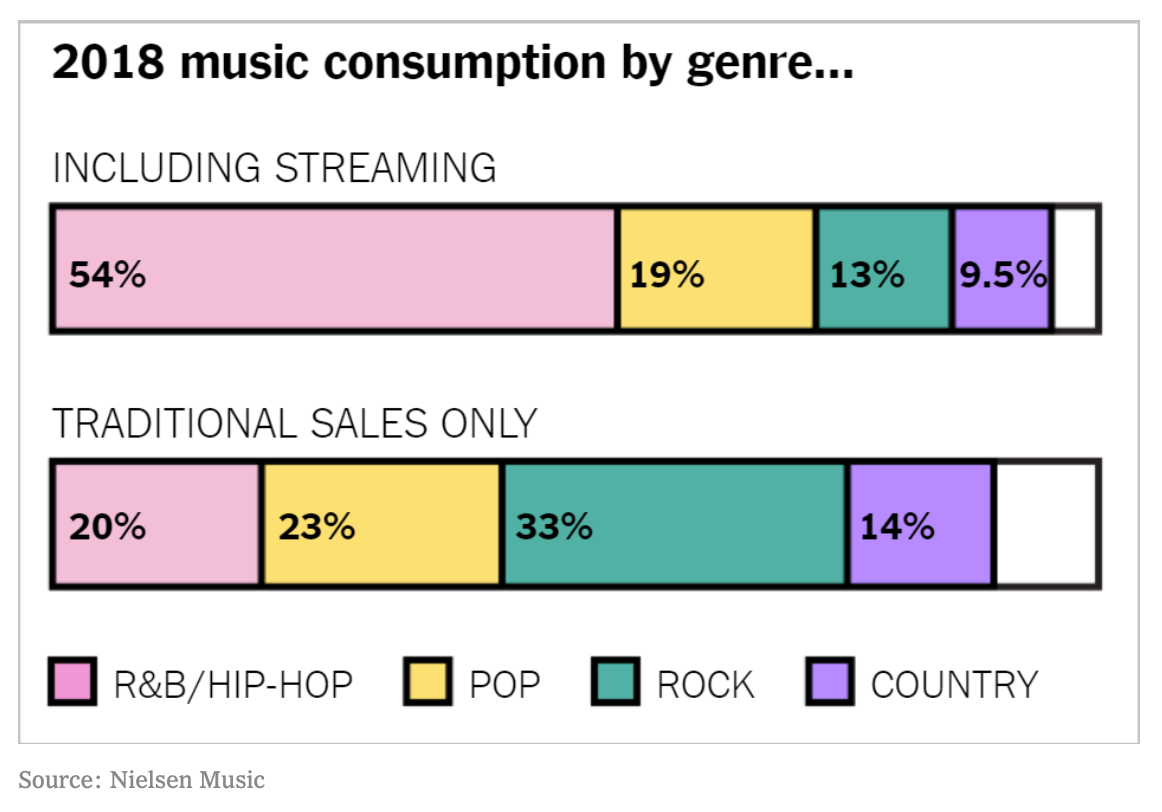
This graph shows a difference in the music preference of people based on how they like to consume their music stream vs physical.
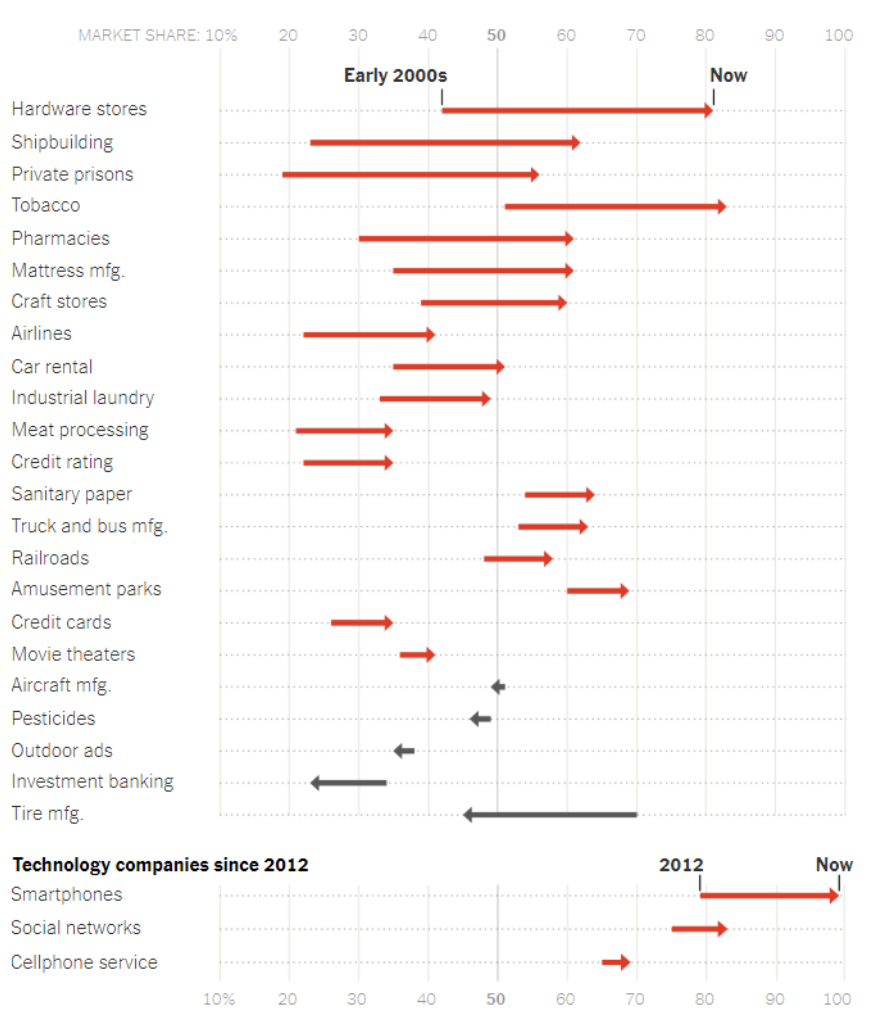
I have a hard time understanding what this graph is referring to.
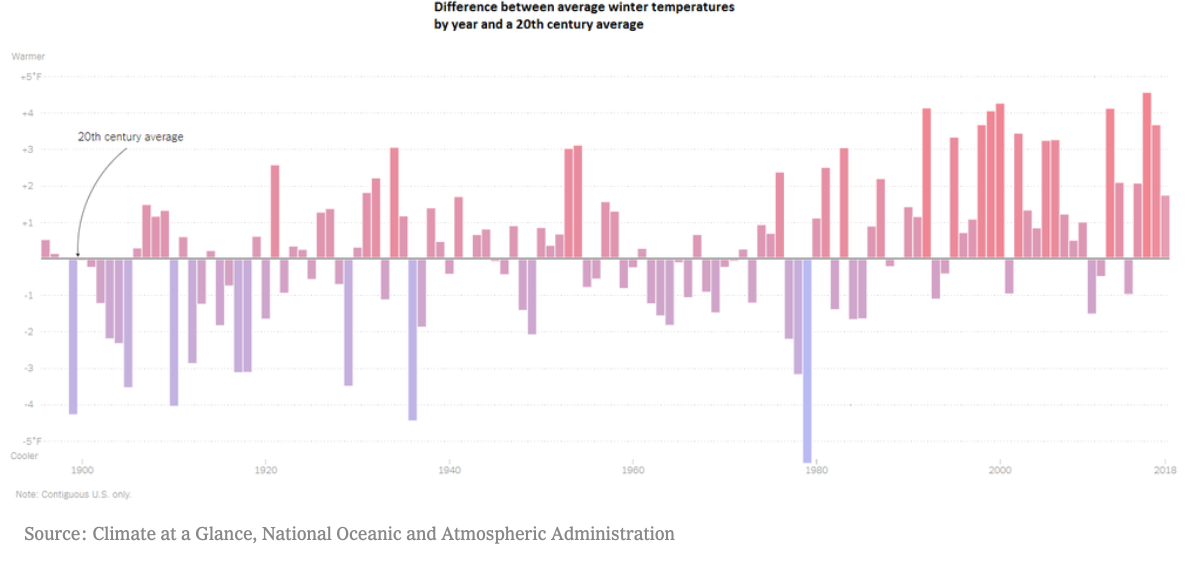
This is talking about how global warming is happening.
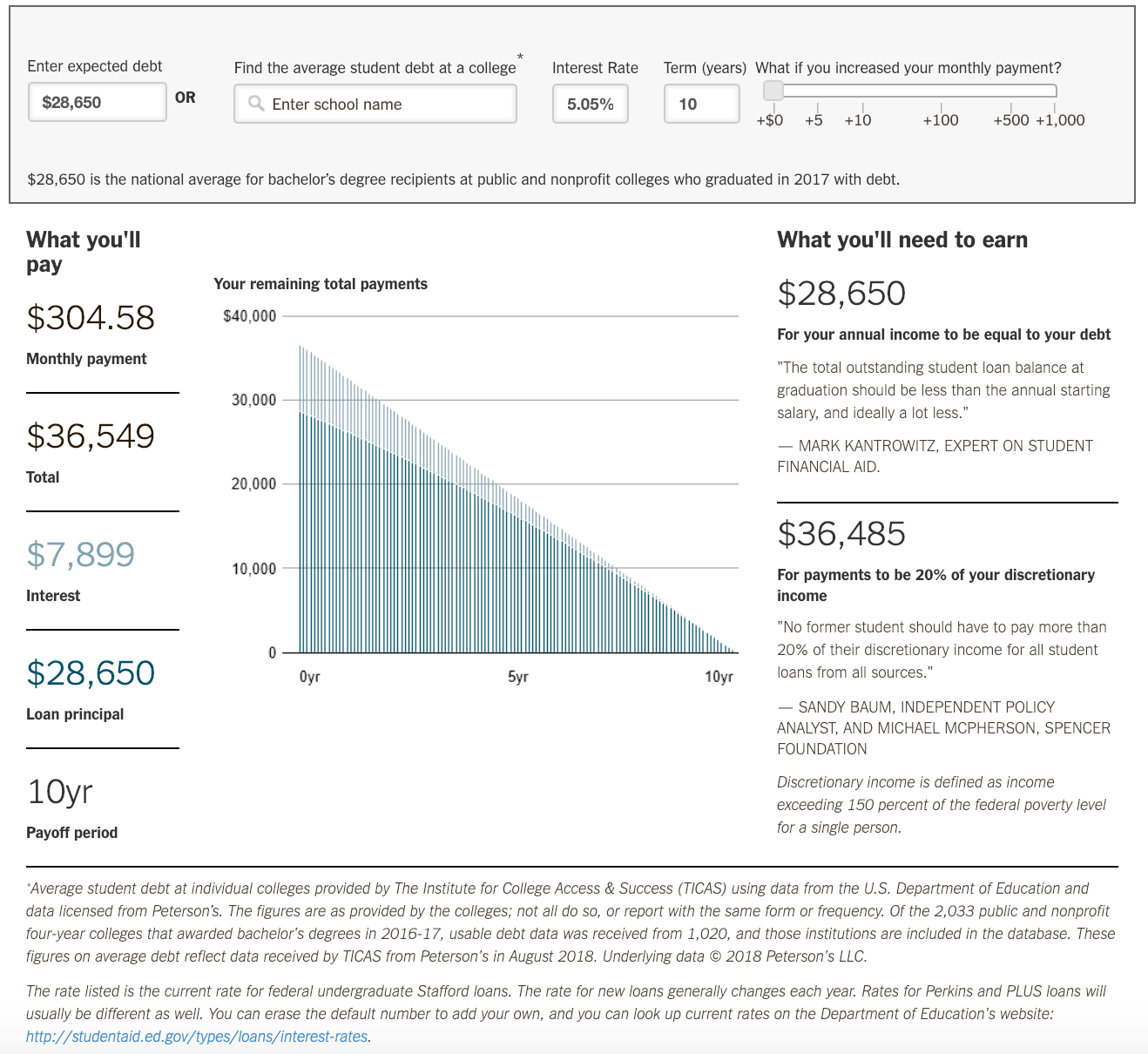
This is an interactive graph that calculates student loan debt which is a big problem in America. Seems useful for new students.
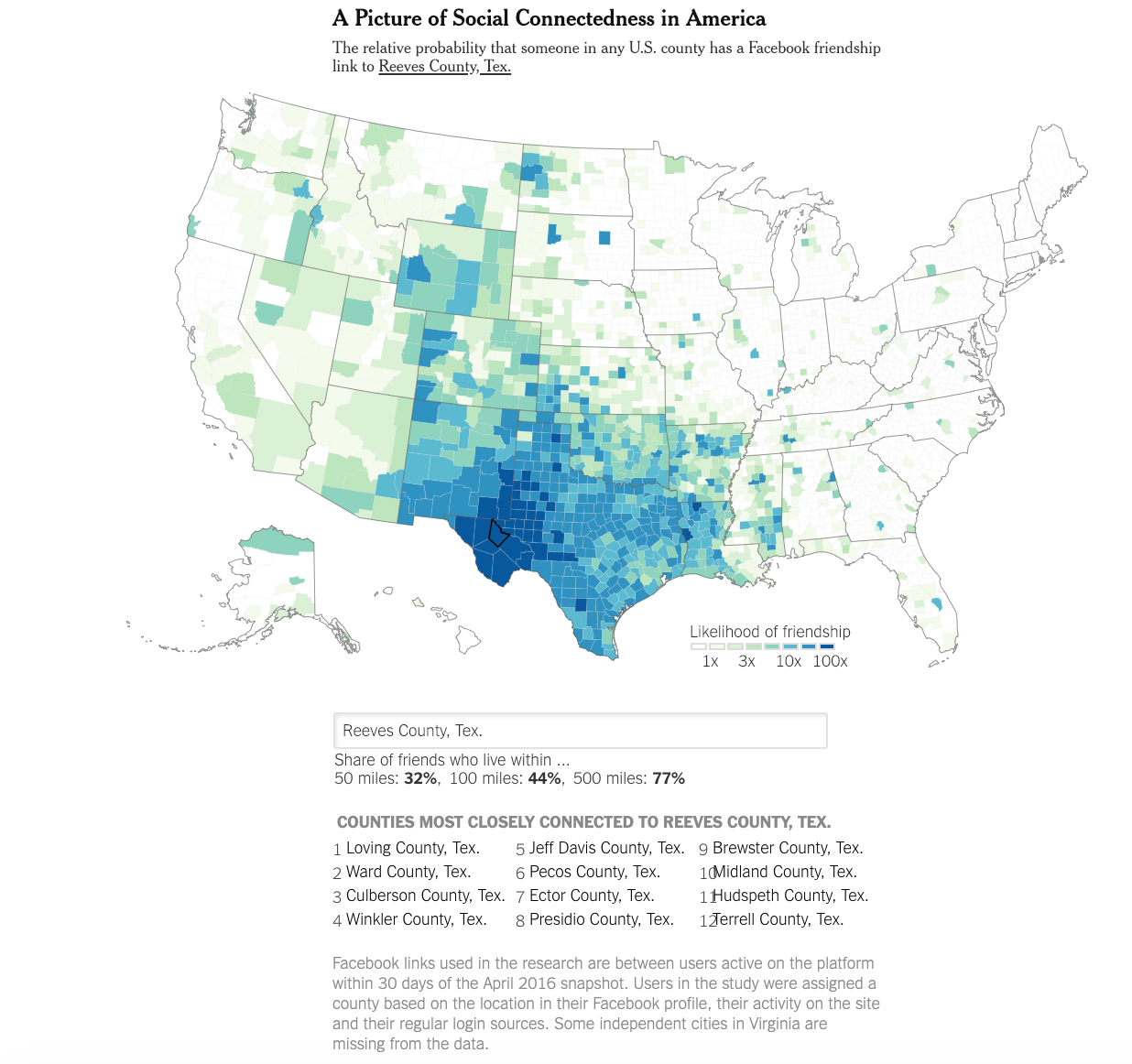
This graph shows that the south is “friendly”. So maybe proving Southern Hospitality to be a thing.
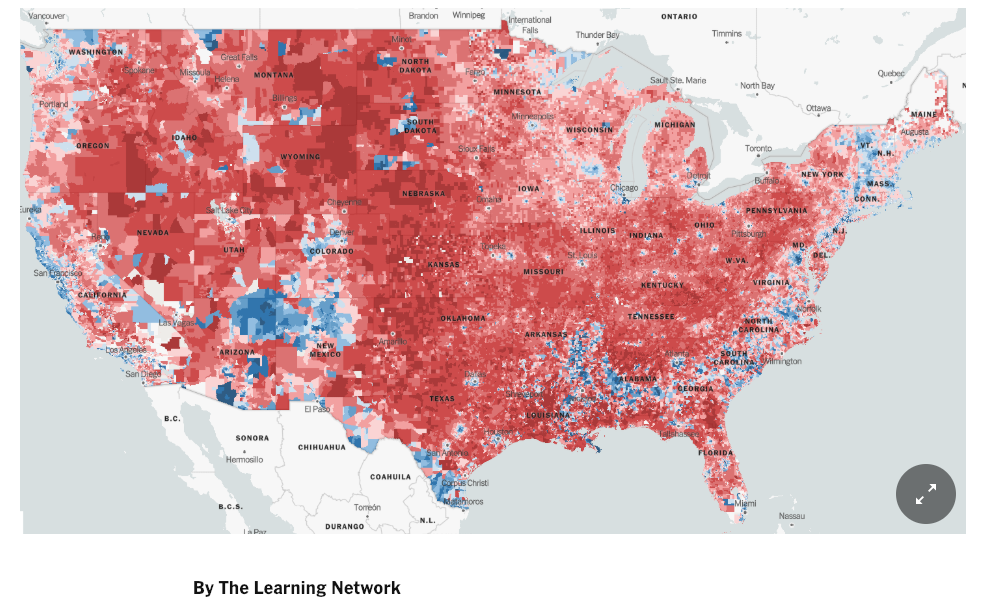
This map/infograph/pictograph makes me sad.
2. Find three research papers. Examine all the figures and graphs used. Are the graphs labeled properly? Would you change these—and, if so, in what ways?
Beyond weight loss: a review of the therapeutic uses of very-low-carbohydrate (ketogenic) diets: https://www.nature.com/articles/ejcn2013116
Yes the graphs and figures are used properly. I would not change anything.
The calorically restricted ketogenic diet, an effective alternative therapy for malignant brain cancer:https://nutritionandmetabolism.biomedcentral.com/articles/
The graphs are also used properly and I wouldn’t change anything.
Effects of a ketogenic diet on the quality of life in 16 patients with advanced cancer: A pilot trial: https://nutritionandmetabolism.biomedcentral.com/articles/10.1186/1743-7075-8-54
Great graphs once again ùwú!


