Final Project

Sports Used to Improve Executive Function in Children

Elona Poltiyelova, Wei Jun, Tania Duran, Lina Alfonso

Hunter College

Sports used to Improve Executive Function in Children

Introduction

A sensitive and essential period of time for cognitive development is during one’s childhood. Due to many technological advances, children have now been participating in more sedentary activities such as playing video games or watching TV, unlike decades ago.  There are less children actively playing outside actively playing outside in this day and age. Physical activity is an important component in manifesting cognitive function. The Centers of Disease Control and Prevention (CDC) recommend that children should participate in at least 60 minutes per day of physical activity (Zhang 2019).

Limited physical activity is shown to lead to various health problems, including posture problems, somatic conditions, obesity and problems with circulation.  Research demonstrates that engaging in sports is a protective factor against somatic illnesses and pathological behaviors (Bidzan-Bluma 2018). Sport provides an equilibrium between group demands and individual demands, therefore it enhances teamwork skills (Bidzan-Bluma 2018). It teaches children coping with both victory and defeat.

Moreover, research has shown that participating in sports during childhood can improve executive functions including attention, working memory, inhibition, planning, and problem-solving. (Zhang 2019). These children had better planning abilities than children who did not participate in any physical activity. Studies conducted with children aged 8–9 years confirmed that engaging in sports influences changes in the right anterior prefrontal cortex, which are related to cognitive control (Zhang 2019). The findings suggest, that plan-structured sport activities are associated with the development of inhibitory control. Furthermore, it is seen that playing football has a positive influence on  children’s executive functioning, including attention (Zhang 2019).

A study was conducted by researchers in Stavanger University Hospital in Norway that aimed to see if increased physical activity in school can have positive effect on children’s executive functioning. (Kvalo 1).   Executive functions were tested using four cognitive tests (Stroop, verbal fluency, digit span, and trial making). The intervention schools had about 45% more physical activity per week required for the children than the control schools.  The results showed how the children in the intervention group had a significantly higher gain in scores for executive functions than the control group (p=.026). Therefore the study found that increased physical activity shows a weak but significant positive effect on children’s executive functioning. (Kyalo 2).

Even though there is some research on sports and executive function in children, the research is still very limited.  We therefore conducted a study to see if it would support the findings previously found. Our goal is to see if sports do in fact improve executive function in children, and if so, is there a particular sport that enhances these functions more. Additionally we are expanding on the studies previously done by adding not only children but also adolescents. Our aim is to raise awareness for the parents of children to encourage physical activity.  We hope our research study can encourage the establishment of training programs in order to help children stay active.

Methods

Participants

We tested soccer athletes and non-athletes between ages 10-17. The mean age is 15 years old. There were a total of 36 participants: 18 male and 18 female. The non-athletic children came from 3 public schools in Queens with a background in minimal athletic performance. The soccer athletes came from a soccer club called Eastern New York City Football Club with at least 2 active years playing soccer. The participants were chosen based good health up until the study and on amount of sports activity previously conducted.

Procedures

These children underwent three types of tests to measure their attention, working memory, and organization. In order to test for attention, we recreate a Test of Variables of Attention. This test consists of a 22 minute computer program that mimics a game in a small room with no interuptions. There were copious flashing letters on the computer screen and the children must press “enter” on the keyboard every time they see the letter ‘B”. The amount of times “enter” is pressed according to the amount time times the letter “B” is presented concludes the child’s attentiveness. This test measures if the child has problems focusing, a slow processing speed, or  if the child can maintain attention their attention for a specific period of time (Kelly). Another test we conducted was on working memory, which is the ability to store information for short periods of time. The test was administered in the same room as the attention test with the experimenter present. The experimenter says a combination of numbers in a specific order and the child must repeat it back in the reverse order. For example, if an examiner says “8, 3, 5, 0” the child should repeat “0, 5, 3, 8”. The amount of numbers presented started with 4 numbers and then increase to 7 numbers, ie 8, 3, 5, 0 (four numbers) to 2, 6, 2, 6, 5, 7, 9 (seven numbers). As the amount of numbers increase, the complexity increases and the children who have a poor working memory got more errors than those with a better short term memory (Kelly). After the second test, the participants were given a sheet of colored paper that consists of a color wheel and complementary color combinations that they must go over before the final test. The third test measured organization and planning which indicates how well the child can achieve tasks in an organized manner. In the test, the child had to build a tower using “Jenga blocks” without the help of the colored sheet previously given to them. There should be three blocks used for each level in the tower and the proceeding level of blocks should be positioned opposite from the previous level, resembling the rules of the game “Jenga”. The child had to construct the tower using previously painted blocks with six different colors: blue, red, yellow, purple, orange, and green. The tower should be built according to complementary color schemes without repeating colors back to back, in a three block system. For example, a child can place their first level of blocks as red, green, red and the next level could be yellow, purple, yellow and so on. The amount of time it took each child to build the tower and the amount of moves made were be measured. This test measures the participants’ ability to follow directions as well as accomplishing tasks efficiently (Kelly).

Results

    Our study found that on average, children who were soccer players (performed physical activity) also performed better in cognitive function testing and executive function testing. Our tests found that children performed especially well in their working memory testing results. The study finds that children in the control group, those who did not perform any team based physical activity, performed markedly worse than those who did. Age was significantly related to performance in our studies. Both the explicit and implicit learning condition indicate that older children were faster in the first block of both learning conditions. Therefore, age was included as covariate in further analyses. our study results provides arguments for increase in PE class time before important subjects, as it it has shown links to improved cognitive functions. People who are more fit have a tendency to have faster neuroelectric responses, which are associated with reading resulting in a richer lexico-semantic network.

Conclusion

    The results from the study that we have conducted coincide with the hypothesis that we have for the study, that children participating in sports during childhood perform better in executive functions better than children who do not perform in sport activities. The goal that we had in mind is that if we can investigate the positive association participating in sports during childhood for ourselves then we can arise awareness on the issue. Through the awareness, we hope to revitalize parents to encourage their kids to participate in sports and let all of the positive associations that were shown in this study be upon them.

References

Bidzan-Bluma, I., & Lipowska, M. (2018). Physical Activity and Cognitive Functioning of Children: A Systematic Review. International journal of environmental research and public health, 15(4), 800. doi:10.3390/ijerph15040800

Donnelly, J., Hillman, C., Castelli, D., Etnier, J., Lee, S., Tomporowski, P., Szabo-Reed, A. (2016). Physical Activity, Fitness, Cognitive Function, and Academic Achievement in Children: A Systematic Review. Medicine And Science In Sports And Exercise, 48(6), 1197-1222.

Kelly, K. (2018). Types of Tests for Executive Functioning Issues. Retrieved April 16, 2019, from https://www.understood.org/en/school-learning/evaluations/types-of-tests/tests-for-executive-functioning-issues

Kvalo, S. E., Bru, E., Bronnick, K., & Dyrstad, S. (2016). Effect Of Increased School- Based Physical Activity At Children’S Executive Function. The Active School Study: 3401 June 3 4: 45 PM – 5: 00 PM. Medicine & Science in Sports & Exercise, 48(5S Suppl 1), 959.

Shanghai Jiao-Tong University Describes Findings in Sports Medicine (Effects of chronic exercise interventions on executive function among children and adolescents: A systematic review with meta-analysis). (2019). Health & Medicine Week, 3772.

Zhang, Mei-Qi, Liu, Zhan, Ma, Hong-Tao, & Zhang, Dong. (2019). The effects of physical activity on executive function in children with attention-deficit/hyperactivity disorder: A systematic review and meta-analysis protocol. Medicine, 98(14), E15097.

Ziereis, & Jansen. (2015). Effects of physical activity on executive function and motor performance in children with ADHD. Research in Developmental Disabilities, 38, 181-191


Participation 5

Ch 7 #2, Ch 8 # 2 & Ch 10 # 1-2

Ch 7 #2 – Read two empirical articles. What could have gone wrong in these studies? Were any precautions taken against adverse consequences what were described in the research paper? – Lina Alfonso

  1. Tweeting rape culture: Examining portrayals of victim blaming in discussions of sexual assault cases on Twitter.
    Megan Stubbs-Richardson,Nicole E Rader and Arthur G Cosby

What could have gone wrong: The number of followers used to measure the importance of a tweet could be obscured due to fake/troll accounts. These Twitter accounts would not be representative of active users but rather an illusion created to create importance to someone with many followers.

Precautions taken against adverse consequences described: Setting up the Social Media Tracking and Analysis System that has the algorithm to access user profiles including profile picture, username, taglines, etc.

2. Gender and age interact to predict the development of posttraumatic stress disorder symptoms following a motor vehicle accident. KOBAYASHI, I.; SLEDJESKI, E. M.; DELAHANTY, D. L.

http://web.b.ebscohost.com/ehost/detail/detail?vid=8&sid=bcd803fe-80b0-4731-9fe4-d5ed0c6a9839%40sessionmgr103&bdata=JnNpdGU9ZWhvc3QtbGl2ZQ%3d%3d#AN=2018-06414-001&db=pdh

What could have gone wrong: The impact of different traumas vary within people and could be an under or over valued characteristic in the assessment of trauma history. Trauma types were measured but do not take into consideration childhood history of participants. Each participant could experience the trauma differently such as thinking is was more traumatic than someone else.

Precautions taken against adverse consequences described: When finding participates, the researchers sought those who were not actively treated for psychiatric disorders to decrease the risk of PTSD influence on the results. These disorders could cause the data to be skewed.

Chapter 8 #2   – Find three research papers. Examine all the figures and graphs used. Are the graphs labeled properly? Would you change these—and, if so, in what ways?

Seyfried TN, Sanderson TM, El-Abbadi MM, McGowan R, Mukherjee P. Role of glucose and ketone bodies in the metabolic control of experimental brain cancer. Br J Cancer. 2003;89:1375–82.

This is an example of graphs used in this article. I think it is a good one because it helps to illustrate the effects of a Ketogenic Diet on body weight in comparison to the other diets that the participants followed. Along with it is the energy intake which is useful in comparing and contrasting whether it is really the type of foods that is helping versus just a lower energy intake that is helping to see results

Allen BG, Bhatia SK, Buatti JM, Brandt KE, Lindholm KE, Button AM, Szweda LI,

Smith BJ, Spitz DR, Fath MA. Ketogenic diets enhance oxidative stress and radio-chemo-therapy responses in lung cancer xenografts. Clin Cancer Res Off J Am Assoc Cancer Res. 2013;19:3905–13.

Overall, this article also has some great figures and graphs to draw from. This one shows a side by side comparison of the blot samples of the cancer cells based on diet. This is extremely useful in giving a visual representation to academics reading the article. However, they are still wary about their results so they include an asterisk.

Paoli A, Rubini A, Volek JS, Grimaldi KA. Beyond weight loss: a review of thetherapeutic uses of very-low-carbohydrate (ketogenic) diets. Eur J Clin Nutr. 2013;67:789–96.

This is article also makes great use of figures, and this is the one I chose to talk about. I think in review article formats this is a great way of helping readers visualize the overall impications of the subject they are discussing. So, this summarizes the health implications of a Ketogenic Diet according to science that is available at the time.

Ch 10 #2: Article: “At Issued: Are American elections fair? Stuart A. Mallen. Detroit:Greenhaven Press, 2006

The premise that this article is going for is whether or not the voting rights of former felons should be fully restored or not. Although Stuart A. Mallen structures his journal entry demonstrating both sides of this question, it is clear his belief is that felons should never have the right to vote due to their actions.I disagree with his point in the journal article about how politics comes into play about this question. He claims that once someone disregards the law, he/she never deserves to have the right to vote for the rest of their life. He also believes that other deprived groups deserves the right to vote above former felons. However, politically speaking if we revoke all of former felons right to vote than we would no longer as a country have fair representation of voters, which we pride ourselves on in our beloved country. I do believe that the author makes plenty of valid points for his stance on the matter but, he doesn’t go into details about how we treat the former felons based upon the crimes committed. I think many would agree in the sense that not all crimes are created equal, so how can we treat every former felon the same. (Tania Duran)

Participation 4

Chapter 5 Exercises 1, 3, and 4:

  1. Consider your research question. What is the big question that you are addressing? This is an overarching general question that will drive your research and the decisions that you make along the way.

My big question is: Do ketogenic diets have an effect on cancer?

What is the specific question that you are addressing? Write your specific research question on the lines below. (Note that I have not left too much room for your answer. This is because your question should be written in a concise way!) My specific question is: Do ketogenic diets have a therapeutic effect on cancers?

What literature did you read to inspire this question? Here, cite 10-20 articles in APA format, and summarize each article. (There is a space here for 10 articles. Use your research lab log if you need more space for additional articles.

Marsh J, Mukherjee P, Seyfried TN. Drug/diet synergy for managing malignant astrocytoma in mice: 2-deoxy-D-glucose and the restricted ketogenic diet. Nutr Metab. 2008;5:33. Find six research journals. What is the scope of each journal (as defined in its website and the journal’s pages)?

32 mice separated into 4 groups by weight    Mice underwent KD-R as well as being injected with 2-DG (25mg/kg). Euthanized 13 days after tumor implant        A combination of KD-R and 2-DG therapy shows synergistic effects in the inhibition of malignant astrocytoma

 Otto C, Kaemmerer U, Illert B, Muehling B, Pfetzer N, Wittig R, Voelker HU, Thiede A, Coy JF. Growth of human gastric cancer cells in nude mice is delayed by a ketogenic diet supplemented with omega-3 fatty acids and medium-chain triglycerides. BMC Cancer. 2008;8:122.

24 NMRI mice. Randomly split into 2 feeding groups          Mice were fed either SD ad libitum or had a KD. Ended when tumor reaches 600-700 mm¬¬¬3         Tumor growth was significantly delayed in the KD mice. After day 20 KD grew much faster

 Seyfried TN, Sanderson TM, El-Abbadi MM, McGowan R, Mukherjee P. Role of glucose and ketone bodies in the metabolic control of experimental brain cancer. Br J Cancer. 2003;89:1375–82.

 33 mice, 13 under SD and 20 under KD       SD mice were fed PROLAB chow ad libitum and KD were fed. Ended after 13 days   Intracerebral CT-2A tumor weighed approximately 86% less in SD-R group and 80% less in KD-R group. Did not prevent tumor only slowed down.

  Allen BG, Bhatia SK, Buatti JM, Brandt KE, Lindholm KE, Button AM, Szweda LI, Smith BJ, Spitz DR, Fath MA. Ketogenic diets enhance oxidative stress and radio-chemo-therapy responses in lung cancer xenografts. Clin Cancer Res Off J Am Assoc Cancer Res. 2013;19:3905–13.

-Control group n=10 -IR group n=16 -IR +KD group n=16 -carboplatin n=6 -carboplatin+KD n=5

-IR + carboplatin + KD n=14       KD mice were fed KetoCal®, treated conventionally fractioned or hypofractioned radiation. As well as conventionally fractioned and carboplatin. KD enhances the radio-chemo-therapy responses in cancer xenografts, may be due to increased oxidative stress

  •  Zhou W, Mukherjee P, Kiebish MA, Markis WT, Mantis JG, Seyfried TN. The calorically restricted ketogenic diet, an effective alternative therapy for malignant brain cancer. Nutr Metab. 2007;4:5.
    •  -Mice with CT-2A transplant n=27
    • -Mice with U87-MG transplant n=32 Mice were fed either SD-UR, KC-UR, or KC-R. Experiment terminated once tumor reached 2.5cm3 KetoCal® in restricted amounts had anti-tumor and anti-angiogenic effects in experimental mice and human brain tumors.
    •  Freedland SJ, Mavropoulos J, Wang A, Darshan M, Demark-Wahnefried W, Aronson WJ, Cohen P, Hwang D, Peterson B, Fields T, et al. Carbohydrate restriction, prostate cancer growth, and the insulin-like growth factor axis. The Prostate. 2008;68:11–9.
      • 75 male SCID mice    Were fed either NCKD, low-fat or western diet. After 24 days injected with LAPC-4 cells and sacrificed when tumor approached 1,000mm3          NCKD-fed mice showed significantly reduced tumor growth and prolonged survival relative to western mice. Also showed favorable changes in serum insulin and IGF axis hormones
    •   Beck SA, Tisdale MJ. Nitrogen Excretion in Cancer Cachexia and Its Modification by a High Fat Diet in Mice. Cancer Res. 1989;49:3800–4.
      • Pure strain NMRI mice- Fed standard diet, 50% carbohydrate 11.5% fat. – Other mice were fed 80% calories from medium chain triglycerides-After 8 days mice were put into Metabowls and urine collected for 24hours  Results show that it is possible to reverse the protein-mobilizing effect of cachexia-inducing tumor through a ketogenic diet. In addition, the ketogenic diet is able to increase the host’s weight while decreasing tumor weight.
    • Rieger J, Bähr O, Maurer GD, Hattingen E, Franz K, Brucker D, Walenta S, Kämmerer U, Coy JF, Weller M, et al. ERGO: a pilot study of ketogenic diet in recurrent glioblastoma. Int J Oncol. 2014;44:1843–52.
      • Johannes Rieger et al. (19) 20 patients with recurring glioblastoma Plant oil based ketogenic diet in conjunction with bevacizumab No major difference in metabolic parameters (glucose, lactate and ATP)- trended towards stronger effectiveness of bevacizumab in KD animals 
    •  Schmidt M, Pfetzer N, Schwab M, Strauss I, Kämmerer U. Effects of a ketogenic diet on the quality of life in 16 patients with advanced cancer: A pilot trial. Nutr Metab. 2011;8:54.
      • 16 patients with advanced cancer and no conventional therapeutic options  KD with less than 70g of CHO/day. Quality of life tested every 2 weeks. – A KD is suitable for even advanced cancer patients. – No severe side effects- Improved quality of life

– Improved quality of blood in patients with advanced metastatic tumors

  • Fine EJ, Segal-Isaacson CJ, Feinman RD, Herszkopf S, Romano MC, Tomuta N, Bontempo AF, Negassa A, Sparano JA. Targeting insulin inhibition as a metabolic therapy in advanced cancer: a pilot safety and feasibility dietary trial in 10 patients. Nutr Burbank Los Angel Cty Calif. 2012;28:1028–35.
    • 10 patients with advanced incurable cancers.            Diet where CHO accounted for 5% of total kcal intake or less            – 10 subjects completed between 26 to 28 days without adverse effects. -insulin-inhibiting diet is safe and feasible in selected patients with advanced cancers
  • Find six research journals. What is the scope of each journal (as defined in its website and the journals pages?
  • Read the submission guidelines of three journals. Which journal(s) would you select for your paper?
    • I would submit to Nutrition & Metabolism.
    • Write an abstract for a possible research study. How does the abstract change as a function of each journal’s scope and submission guidelines?
      • Abstract: Research on the ability of ketogenic diets (KD) to influence the growth and survival of cancer cells is very scarce but promising. The inability of cancer cells to readily metabolize ketone bodies gives reason to further investigate the implications of induced ketosis through a KD. This relationship between KD and several forms of cancer are presented in experimental studies involving mice and humans. A review of KD as a therapeutic device for treating cancer is also thoroughly covered along with the potential benefits of a calorically restricted KD. The following research also looks for the potential effects of a KD on known radio-chemo-therapies and treatments. 
      • Depending on the scope of the journal I submit to will decide the abstract. The contents of the article may stay the same, but the abstract will change based on what preferences the journal has. For example, Nutrition & Metabolism has these guidelines:
        •  how diet and specific nutrients interact with genes, proteins or metabolites to influence metabolic phenotypes and disease outcomes;
        • the role of epigenetic factors and the microbiome in the pathogenesis of metabolic diseases and their influence on metabolic responses to diet and food components;
        • how diet and other environmental factors affect epigenetics and microbiota; the extent to which genetic and nongenetic factors modify personal metabolic responses to diet and food compositions and the mechanisms involved;
        • how specific biologic networks and nutrient sensing mechanisms attribute to metabolic variability

Chapter 6 Number 6 (Elona Poltiyelova)

Find three ads for research studies on the web and write the pros and cons of each. Also would you participate in the studies? why or why not?

  1. https://www.iths.org/participate/healthy-moms-healthy-kids/

Pros: Has a goal that is beneficial to families. ” The results of the study will inform future policy to better protect families. “

Cons: Doesn’t describe what the participants would have to do in the study. No pictures or eye popping images to catch a persons attention.

I would not participate in this study because i am not pregnant or breast feeding therefore don’t qualify. However if I did qualify I would contact the researcher and find out more details before making a final decision.

2. https://www.iths.org/participate/quitbot/

Pros: This study is for a good cause and can help people in need of assistance to quit smoking. Compensation is provided

Cons: Very limited sample, only native Americans. Doesn’t describe the smoking cessation techniques.

Since I am not a smoker I do not qualify. However I would participate if I qualified and needed help to quit smoking because I wont be losing anything by trying different techniques that can help end a bad habit.

3. https://recruit.cumc.columbia.edu/clinical_trial/1316

Pro: Explains a clear positive purpose, which is to see if a mobile app can help patients with OCD.

Con: It doesn not explain any information about the app or how long the study would last.

I am not qualified for this study therefore will not participate.

CHAPTER 4 #3 (Tania Duran)

In figure 4.1 there is a young girl probably around the age of 6 or 7, wearing a jean jacket with a white top, stockings and long black boots. Hair is about shoulder length, covering her face a bit. She is sitting in a room with hard wood floor and you can see a window behind her with see through curtains. She is holding what seems to be a plastic toy cup in her right hand that she is using to cover little toys on the floor.

In figure 4.2 there is a little girl probably the age of 2-3 years old, wearing what seems to be a button down jackets and some pants that have many little triangles on them and socks with ruffles on them. She has very short hair and has a pacifier in her mouth also nail polish on her tiny little nails. She’s sitting on a carpet, looks very cozy and has a pillow behind her. She is holding in both hands little toys while starring at them very focused. 

Participation 3: Elona, Lina, Tania, Wei

Chapter 3 #1-8

Lina Alfonso

  1. Our research goals for this week are to finish our Consent Forms, categorize the type of participants we want in the study, and begin our procedures. Our research goals for today are to finish the Consent Forms and start the procedures. We will achieve these goals by proof reading the Consent Form and verifying it its general but specific enough to allow for flexibility in the procedures. We will also create an outline of the procedures. If we are unable to achieve these goals we will clear up some more time in the week to focus on the tasks. We will continue what is not done the following week. Our back up plan for alternative goals are to create a basis of participants we want to use for the study. This would involve a lot of background research that takes more time.
  2. Some guidelines to implement that would better organize our group is to have everyone accomplish at least two tasks for a total of 8 tasks to complete per week. This would help new members coming into our laboratory team by incorporating them in task management and having everyone complete an equal and fair amount of work. Some ideas for our strategic plan to gather our participants are to find common characteristics and variables to measure in the study. We would do this by having different groups for variables such as age, sex, and education level. Each person would be tasked with a variable and find a group of participants that match that category. After this, everyone would get together and incorporate their findings to create an outline of participants needed.
  3. A goal I have is to go to the gym at least 3 times this week for the next 3 months . If I go 4 times a week then, I will be able to have 2 protein shakes that week. If I do not go at least 3 time then I will not go to Florida in the summer. My research goals for the day are to send my team mates my part if the consent form so they can review it together with everyone else’s part. I will make sure my section of the consent form flows and makes sense for signing. My research goals for this week are to begin our procedures. I will do this by creating an outline and organizing the steps of the study. I will put myself in the position of my participants to understand how they would view the experiment and ways to make it better for later review of footage. Our research goals for the month are to complete the procedures, find participants and have them sign our the Consent form. We will achieve this by making fliers to put around the school to see who will want to participate in the study.
  4. ELONA POLTIYELOVA : Laboratories and their pros. -LSE Behavioural Research Lab (London School of Economics and Political Science): Anyone over the age of 18 can sign up to become a paid participant in the LSE Behavioural Research Lab.  The participants £5 for up to 30 minutes and £10 for up to an hour to participate in a research study.  Additionally the website has a list of all its staff members. – Dartmouth Social Neuroscience Lab: They have an application online to become a participant and it is very easy to fill out.  Additionally there is a calendar of lab meetings and events. -Seeding LABS: non profit, A lot of modern equipment, Building partnerships so that scientists in developing countries have access to training and collaboration opportunities. – Los Alamos National Laboratory: Online schedule of lab meetings, innovative designs, related links page.
  5. If you are involved in a laboratory, how do you plan to implement changes in the lab that you consider helpful? What is the timeline for these changes? Who is doing what and when? How might these changes be achieved? If I wanted to implement changes in my lab that I’d consider helpful, a multitude of variables would have to be considered when answering this question. For example, what is my position in the lab or what is the helpful change? If I am an intern and I wanted to move the lab across the state there probably wouldn’t be much I could do, since I don’t have the financial means or power to do so. However if I were the owner then sure maybe I could do that. Regardless, I think there is a broad outline that could implement change in a lab. First, you would identify and solve a problem amongst you or your colleagues. Second, you would present the data to whomever is able to help you implement your change. In the first scenario I mentioned that could be asking the owner of your lab to move, because they’re on Native American soil or something. 

Tania Duran

6. I turned my phone off for two hours from 4-5pm. I managed to get ahead on some assignments for my classes. Read about 30 pages of a book I started months ago and haven’t had a chance to finish. Helped take apart my younger brothers bed and helped put together the new one. Finally sat down to eat and then laid down for the last 15 mins and enjoyed the peace and quiet. 

7. For the past 30 minutes (6:30-7pm) I laid in bed watching tv (catching up on Grey’s Anatomy). While scrolling threw my news feed on Instagram as well as snap chat, saw nothing interesting. 

ELONA POLTIYELOVA:

8. Article: The presence of a best friend buffers the effects of negative experiences.

What question is the paper addressing? The researchers wanted to see if having a best friend present during a negative event will in turn decrease levels of cortisol and increase global self worth. They wanted to see if having a best friend serves as a sort of protection against the effects of negative experiences on global self worth.

Why was this question important? The question is important because it shows how relationships and friendships can actually help us handle stress in our daily lives.

What was new about the findings or study? The studied showed that having a best friend present significantly buffered the effect of the negativity of the experience on cortisol and global self worth. Therefore when the best friend is present there was less change of global self worth or cortisol levels during the negative experience.

How did spending 10 minutes with your eyes closed affect your ability to answer these questions?

Spending 10 peaceful quiet minutes helped me because I was able to focus and concentrate on the article that I read prior to the ten minutes. It helped me absorb all the information and think about it before I started typing. Therefore I believe this is a helpful technique for student to use.


 Chapter 11 #1-2

Tania Duran

  1. Losing weight and keeping it off for the long term is difficult and weight regain is very common. Experiences of successful non-surgical weight loss after severe obesity are largely unexplored. We know little about long-term weight loss processes, and how health care services can be of help to those living them. Methods: Drawing on in-depth interviews of 8 women and 2 men, the aim of the study is to describe the experiences of adults who have been severely obese, who have lost weight and maintained weight loss for the long term (> 5 years). Findings show that after severe obesity, sustained weight loss has no endpoint, yet is always easy to end. Keeping weight off means committing to oneself, continuing profound changes and cultivating sensitivity towards oneself and others.


  2. Research on the ability of ketogenic diets (KD) to influence the growth and survival of cancer cells is very scarce but promising. The inability of cancer cells to readily metabolize ketone bodies gives reason to further investigate the implications of induced ketosis through a KD. This relationship between KD and several forms of cancer are presented in experimental studies involving mice and humans. A review of KD as a therapeutic device for treating cancer is also thoroughly covered along with the potential benefits of a calorically restricted KD. The following research also looks for the potential effects of a KD on known radio-chemo-therapies and treatments.

Links:

Seyfried TN, Sanderson TM, El-Abbadi MM, McGowan R, Mukherjee P. Role ofglucose and ketone bodies in the metabolic control of experimental brain cancer. Br J Cancer. 2003;89:1375–82.

Allen BG, Bhatia SK, Buatti JM, Brandt KE, Lindholm KE, Button AM, Szweda LI,
Smith BJ, Spitz DR, Fath MA. Ketogenic diets enhance oxidative stress and radio-chemo-
therapy responses in lung cancer xenografts. Clin Cancer Res Off J Am Assoc Cancer Res.
2013;19:3905–13.

Paoli A, Rubini A, Volek JS, Grimaldi KA. Beyond weight loss: a review of the
therapeutic uses of very-low-carbohydrate (ketogenic) diets. Eur J Clin Nutr. 2013;67:789–96.

Adams, R. E., Santo, J. B., & Bukowski, W. M. (2011). The presence of a best friend buffers the effects of negative experiences. Developmental Psychology, 47(6), 1786–1791. https://doi.org/10.1037/a0025401

Participation 2

Lina Alfonso

Chapter 2:Exercise 1

The Advantages of Forming an IRB:

  • Understanding the experiment being conducted: In order to understand the nature of the research, the IRB reviews the details of the experiment to ensure the areas of interest pertain to the experiment. By doing this, the IRB ensures the protection of rights and welfare of the participants.
  • Minimizing the risks on Human Subjects: The IRB ensures that the procedures in a research experiment are sound and do not expose the participants to risks. This includes reviewing any harmful or injury prone research.
  • Ensuring the participants are aware of the research procedures, risks, and methods on the experiment: The informed consent details what the participant is agreeing to and ensures they do not have to continue with the research experiment is they no longer want to.
  • Make sure the provisions maintain confidentiality of both the participants and research data: The privacy of the participants in the study is ensured within the rights of the participant

The Disadvantages of Forming an IRB:

  • The process of beginning a research experiment is tedious and takes time: There are many forms and documents that have to be created to proceed with the experiment. This is where the IRB takes their time to review the documents in order for the researches to proceed with the experiment.
  • IRB cannot identify all possible risks to different participants: every person is different and react to situations differently. There could be emotional risks that cannot be accounted for.
  • Many research consent forms are broad to give researchers flexibility but leads to ambiguous procedures for participants: The way consent forms are produced are to ensure that researchers are given various options to adjusting experiment methods and leaves participants with vague procedures.

Chapter 2: Exercise 2

The possible unforeseen consequence of research includes stereotyping participants by generalizing characteristics of a particular group of people to every member in that group. This may cause the researcher to ask questions in a bias manner that could affect the way participants respond. For example: some male researchers may talk town or dominate the conversation when asking a female participant questions. This could cause the woman to feel inferior and not respond questions to her full potential.
A way to avoid harm to participants is to properly inform them of the methods being used in the research study. By doing this they are given the details of how they are contributing the the study. People are more inclined to do something if they know how and what is is they are doing. Another way to prevent harm is to make the participant feel comfortable. If the participant feels confident with the researcher then the result become more naturally occurring. Comfort is important when researchers want to know what the person is truly thinking.

Tania Duran –

Chapter 2:Exercise 3

What are some fair incentives for participating in research?

  • No harm
  • Some type of reward (money, gift card, etc)
  • Confidentiality
  • To get more accurate knowledge of the data
  • Access to educational opportunities
  • Donation to charities

Theoretically, would you let your own child participate in a research study? Why or why not? Based on your response, what should researchers bear in mind?

Yes I would let my child participate, as long as it doesn’t affect them psychologically or physically. Researcher should keep in mind the child’s age, natural environment meaning what they are use to being around on a daily basis. Also, be aware of their personality.

If your child had a disability, would you let him or her participate in research? Why or why not?

Yes because it can give them more information on a specific disability depending on what they are researching. Also for the child it may help them feel included, just because they are different doesn’t mean they can’t help in research. 

Chapter 2:Exercise 4 – Elona Poltiyelova

What would you do if you suspected that data fraud was being perpetrated on a project you were involved in?

If I thought someone was fabricating data on the project I was working on, I would make sure to solve the issue.  I would re-do the results or gather my own data and see if the results would match up.  If there is a drastic change, fabrication is then concluded and I would speak to every member that had access to the data.  I will get higher authorities involved if I have to, to find out who the fabrication came from.  Not only are they putting themselves at risk, but if I hadn’t suspected this falsification, my name would also be in a bad reputation, since I am the primary researcher of the project.

In your opinion what should happen to scientists who fabricate data?

 I believe those who falsify and fabricate data should be severely punished.  Presenting false information to the public may have detrimental effects, especially if medical research is falsified.  This can even effect people’s lives and well- being if the research is applied to use.  Therefore if one falsifies research I believe they should be publicly exposed to ruin their reputation.  Additionally they shouldn’t be able to practice. Therefore they wont be able to continue researching anymore.  This will protect the public from further falsifications that could have been done by the researcher in the future.

Chapter 8: 1 and 2

  1. Find eight graphs in the news. Present these graphs to your class or your lab. Would you change these graphs—and, if so, in what ways?

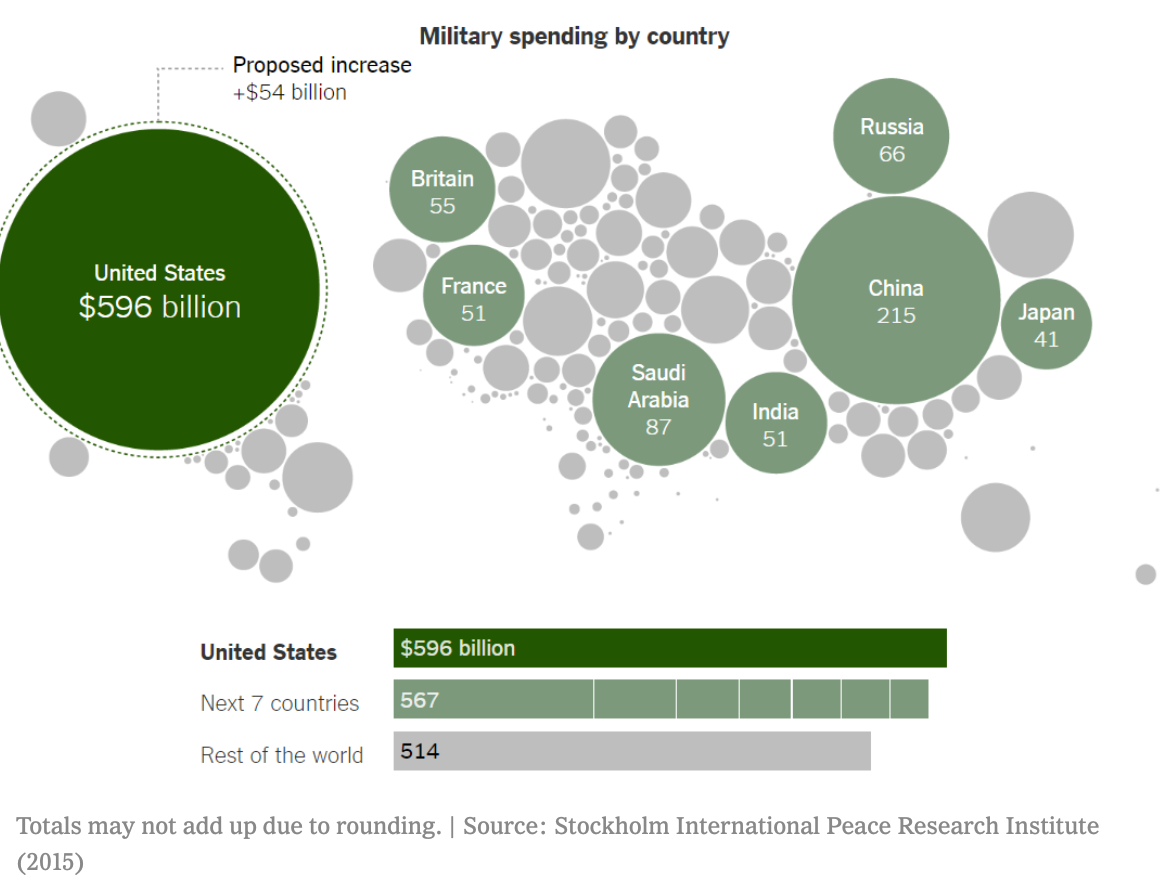
This graph shows how much money the US spends on military compared to other countries. It is very extreme to think about 

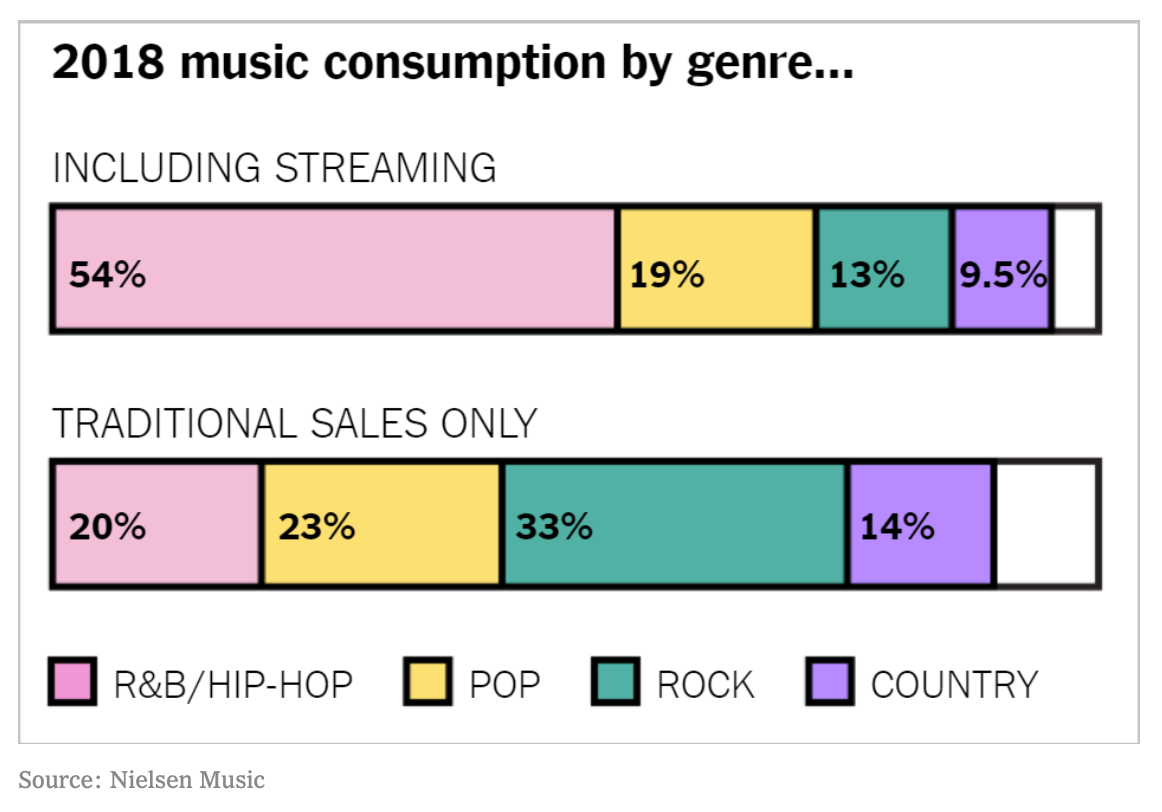
This graph shows a difference in the music preference of people based on how they like to consume their music stream vs physical. 

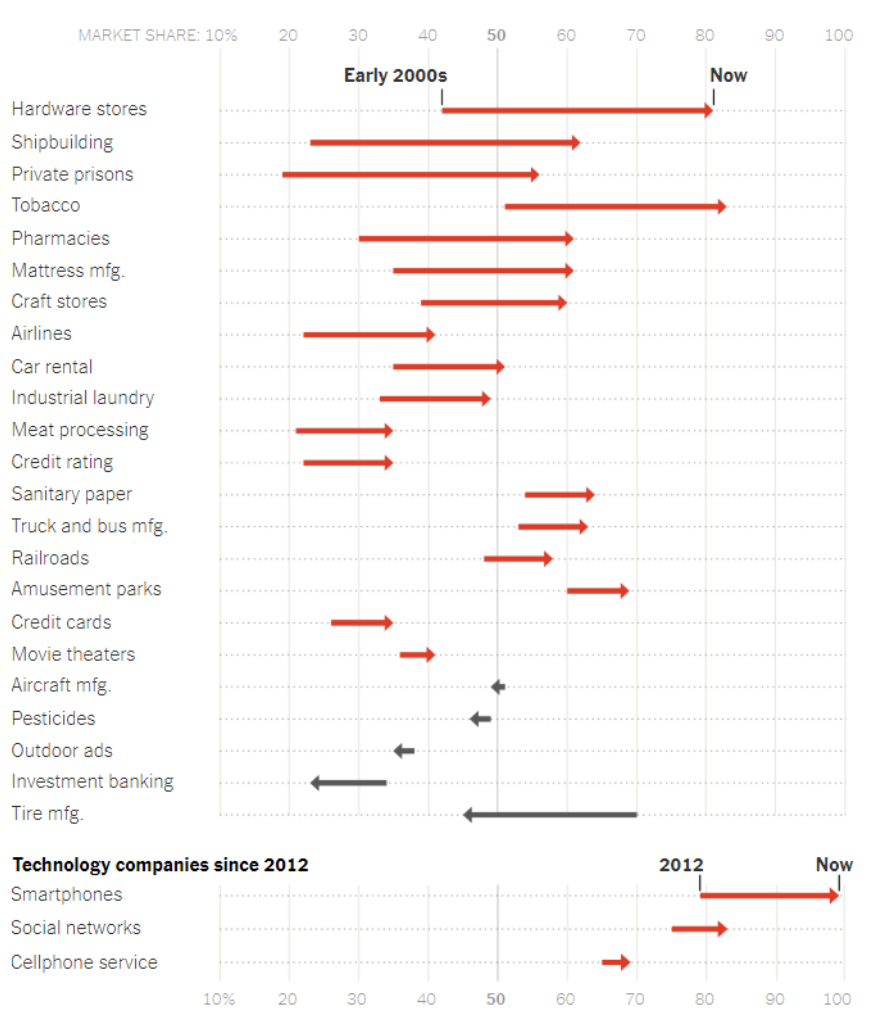
I have a hard time understanding what this graph is referring to. 

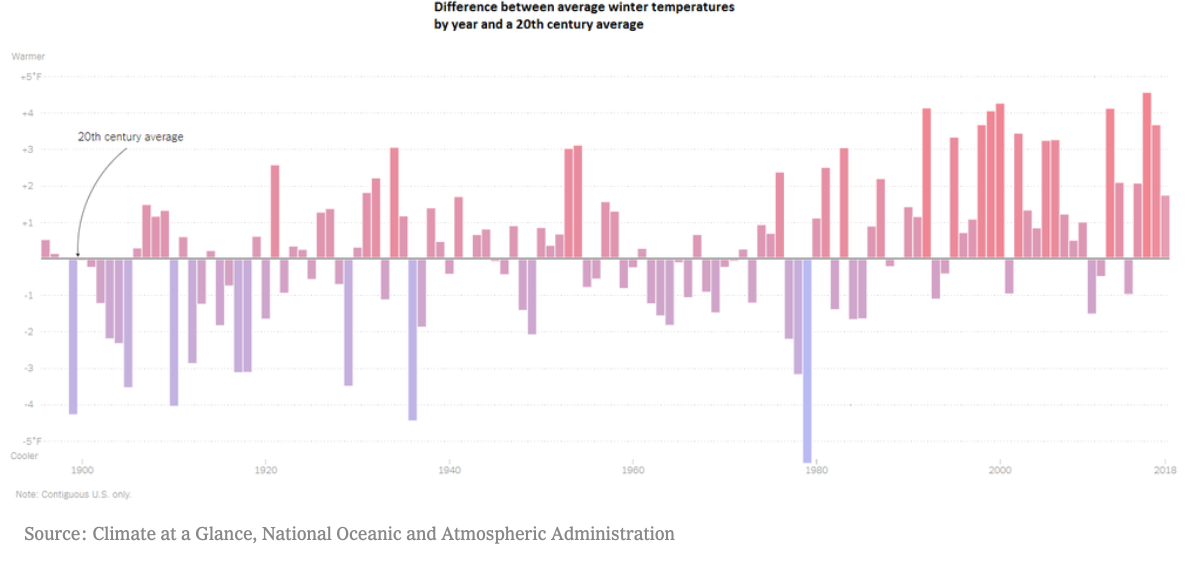
This is talking about how global warming is happening. 

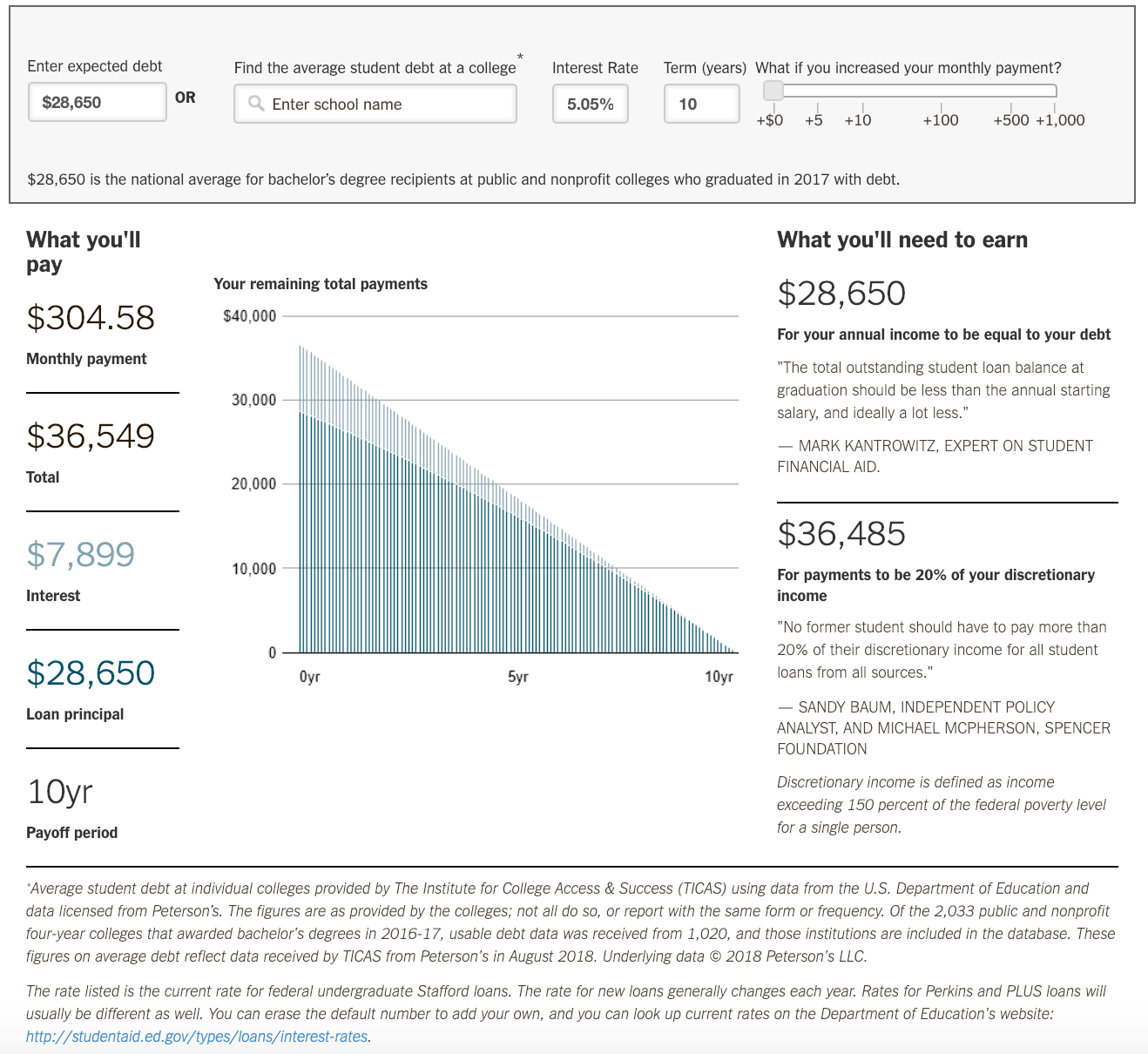
This is an interactive graph that calculates student loan debt which is a big problem in America. Seems useful for new students. 

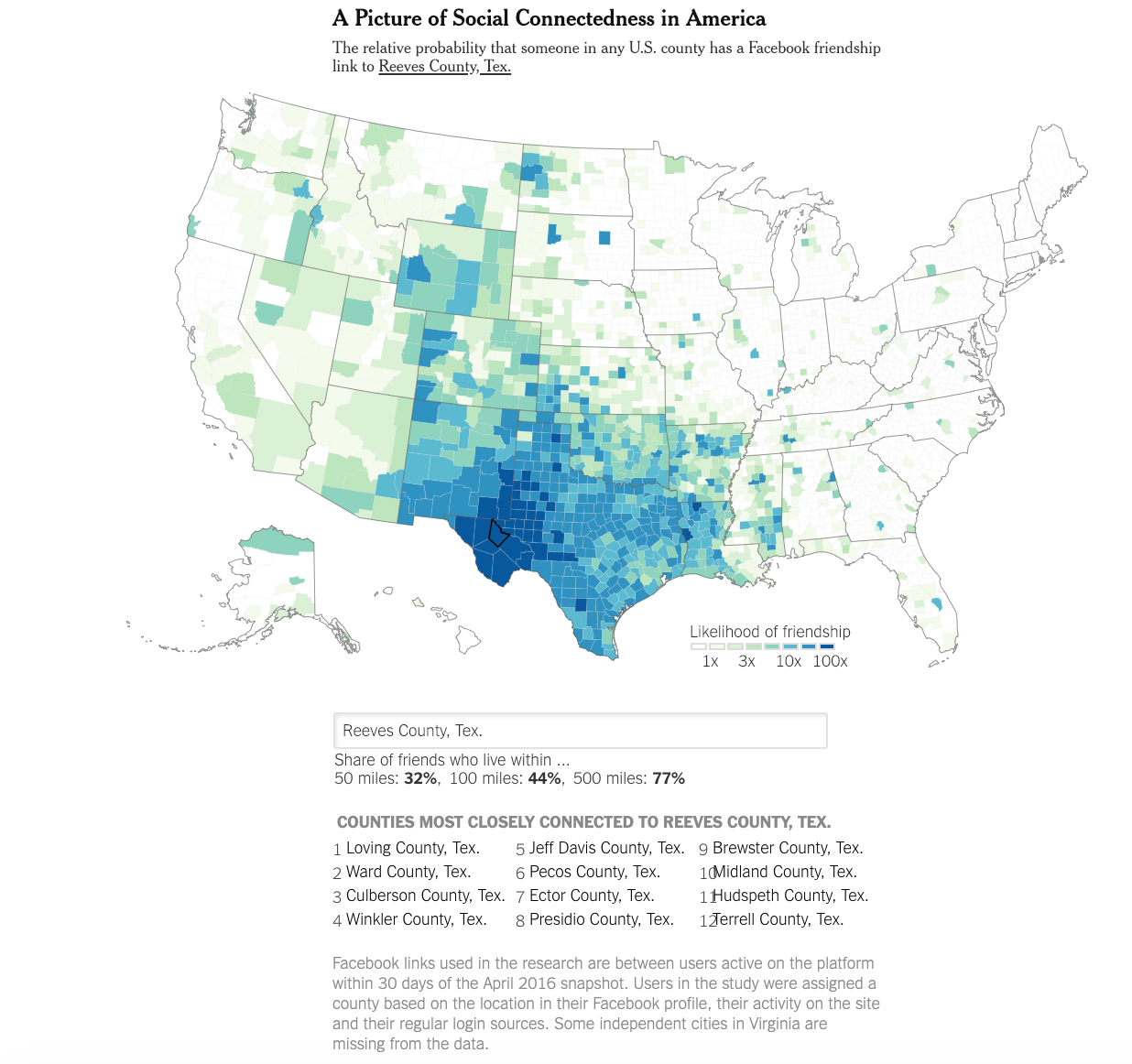
This graph shows that the south is “friendly”. So maybe proving Southern Hospitality to be a thing.

This map/infograph/pictograph makes me sad. 

2. Find three research papers. Examine all the figures and graphs used. Are the graphs labeled properly? Would you change these—and, if so, in what ways?

Beyond weight loss: a review of the therapeutic uses of very-low-carbohydrate (ketogenic) diets: https://www.nature.com/articles/ejcn2013116

Yes the graphs and figures are used properly. I would not change anything. 

The calorically restricted ketogenic diet, an effective alternative therapy for malignant brain cancer:https://nutritionandmetabolism.biomedcentral.com/articles/ 

The graphs are also used properly and I wouldn’t change anything. 

Effects of a ketogenic diet on the quality of life in 16 patients with advanced cancer: A pilot trial: https://nutritionandmetabolism.biomedcentral.com/articles/10.1186/1743-7075-8-54

Great graphs once again ùwú!

Group Participation 1

Biographies

About: Lina Alfonso

I am from Miami and moved to New York a couple of years ago. I now live in Queens and have loved it ever since. I came to New York the pursuit of education and a diverse cultural atmosphere. It took me some time to decide what I wanted my career to be but luckily I have found it. I am seeking a career in Nursing at Hunter College.

Apart from my educational career, I enjoy photographing people in their everyday atmosphere on my free time. I try to concentrate more on street photography. I have been able to expand my skills in photography throughout high school and college. I try to teach anyone around me the intrigue photography as on my so they can understand why it takes me at least 3 minutes to compose my photographs. Moreover, I am also a waitress and a full time adventure seeker. I try to walk around a lot with friends and enjoy finding new places to eat. This becomes more difficult as the weather continues to play the “How low can I get before everyone’s coffee freezes while waiting for the train” game.

Furthermore, while enrolled in the Introduction to Research Methods in Psychology course, I plan to improve the way I find my research. I am looking to be a more effective researcher and find connections between findings that will better my understanding of the topic at hand. I also plan to mold my team work skills and interact with new faces while discussing the impacts of research.

About: Tania Duran

My name is Tania Duran. I am 25 years old, live in Long Island City and I’m Salvadorian. This is my second semester at Hunter College. My major is Spanish Literature and minor is psychology. I received my associate’s degree in Early Childhood Education at BMCC. After I graduated from BMCC I went to Brooklyn College for a year but then had to take a break from school after my father passed away. I had to start working fulltime to help out at home. I’m currently a teacher at a daycare, babysitter and a waitress at a golf club.

Working, as a teacher with young kids is the best feeling ever, watching them grow and learn so many different things is so satisfying. Waitress job is exhausting, but I have to make the extra money. I’m in love with traveling; I try to travel as much as I can! I just got back from Argentina where I was studying abroad for the winter semester and it was such a great experience! I learned so much about Argentina and ate so much as well; the steaks were amazing! Since my fathers passing I’ve tried to do anything and everything that makes me happy, always up for an adventure. He loved to travel and in a way it makes me feel closer to him when I travel.

Coming back to school has a lot to do with him, school was always so important to him; therefore he’s my motivation to do better for my career and myself. What I hope to get out of this course is a better understanding of research in general; learn more on how to do good research, know exactly how to find what I’m looking for.

About: Eleona Poltiyelova

My name is Elona Poltiyelova and I am a senior here at Hunter College. My major is Biochemistry and my minor is Psychology. I love all the psychology courses here at Hunter college. They are very interesting and I learn something new every day. In the future I aspire to be a physician either MD or DO. At the moment outside of school I tutor children and participate in community service activities. Some hobbies of mine include swimming, cooking, and reading. I also enjoy traveling. This summer I went to Israel and had an amazing time. I hope to travel the world and learn about many different countries. I am the oldest of 2 siblings, both of which go to Queens College. In this course, research psychology, I hope to learn about different research methods in the field of psychology. I want to compare this to research done on the medical field. Additionally I want to learn about different studies that have made in impact on our society and they specific research method the study was done with.

About: Wei Jun Xia

      My name is Wei Jun Xia and I am taking this Research Methods in Psychology class to improve my research skills. I have finished my degree in Nutrition and Food Science. During that program I took two classes on research methods (Nutrition Research and Epidemiology). And before that I had taken other classes that taught me to do research and required me to research papers. And I have used research skills all my life. Growing up in the digital age, it was very important for me to learn how to do research and separate good and bad sources. What I want to gain from this class is to further refine my research skills, learn how to monetize my research skills, look to do research for the nonprofit I currently work for, and possibly look at becoming a researcher as career.

I am currently uncertain of my prospects, I have two weeks decide if I want to graduate this semester and apply for the Hunter College Nutrition program, apply for Hunter’s Nursing program, continue taking undergraduate classes at Hunter College (because I receive financial aid, so I figured I might as well as take more undergraduate classes that would cost 3 times as much after I graduate), or apply for graduation and take a year off to work. While writing this, I have also just come to realize that I will probably need to decide sooner rather than later if I want to apply to Hunter’s Nutrition program because I still need letters of recommendation.

I was born and raised in Queens. I am a fourth-year student at Hunter. My hobbies include but are not limited to: memes, photography, fashion, cycling, running, skateboarding, video games, and smoking fat doinks in the Amish. You may be thinking to yourself “Wow! What a great list of hobbies,” well hate to disappoint you but, I’m one of those people that pick up and drop hobbies pretty often, but still appreciate the hobbies and crafts. I think at some point I really hated myself for dropping hobbies so easily, but I’ve come to realize that there’s plenty of time to hit the milestones in those hobbies, and it is okay to not hit them too. Just appreciate and enjoy them.

As you can tell I am still very uncertain of what I want to do with my life, but I try my best to not let it get to me and take one day at a time. Personally, I know if I worry too much about my future, I will get anxious and just stop doing things. And I think that’s okay, as long as I am happy, I know that eventually I’ll find something I really enjoy doing. It’s all about the journey because the destination will be the same, right? Anyways if you really read through all of this, thanks for reading! I wasn’t really too invested in writing this, and had thought I had a general idea of what I wanted to get out of taking this class, but writing it down really helped a lot. 

Chapter 1 Exercise 1

Paper 1 Title: Overweight and Normal-Weight Children’s Decision-Making in a Child Variant of the Iowa Gambling Task

What Research question did the study address? The study wanted to see if weight group differences play a role in decision making during childhood.

Why is the question important to address? This question is important to address because it is testing the validity of a study already done on adults, to see if it also takes place in children. The previous study was called the Iowa Gambling Task.

What was new about the study? How did it fill in gaps in the literature?

In the Iowa Gambling task, we saw that overweight adults tend to make riskier decisions compared to normal weight adults. In that previous study they found that more impaired decision-making occurs under uncertainty in overweight adults than normal weight adults. However the current study for children wanted to see if that is true for young ages as well. A longitudinal design was applied to explore the development of weight-group differences across a 3-year period in middle childhood. It used a more age appropriate task, the Hungry Donkey Technique. The results indicate that more risky decisions (immediate rewards) were made by overweight as compared to normal-weight children and by girls as compared to boys. Therefore weight-group and gender differences in decision-making are already present during childhood. Also there was no significant change in the three year period.

What are some of the limitations and future directions of the study? What ideas do you have for future studies? Some limitations include that the study had a small sample size. Also the socioeconomic factors were not accounted for. In order to make this study have more validity this should be accounted for in future studies. I think this study should also be done with the elderly, to see if weight would still effect decision making at old age.

Elona Poltiyelova

Chapter 11 Exercise 3

Find three to four research summaries in the news or media find and read the corresponding original articles. Is the summary consistent with the research findings? In what ways and in what ways not? If not, rewrite the summary here.

Study 1

Article: https://www.nytimes.com/2019/01/30/health/ecigarettes-nicotine-smoking-quit.html?

E-Cigarettes Are Effective at Helping Smokers Quit, a Study Says

            This article from the NY Times was a summarization about the efficacy of E-cigarettes (I will use the term JUUL as a shortening because I like the word, even though in the original study they did not use a JUULs, because they were not legal in U.K. in the time period, 2015-2018, the study was done). Overall the article did a good job of summarizing the original study. But some things they didn’t mention and probably for good reason. For example, the NYtimes article did not include the rate at which JUULs made coughing and phlegm production more common. This was probably because it was not a significant value (Confidence intervals of .6-.9). But the article probably mostly wanted to focus on the fact that it was way more likely that someone quit smoking with a JUUL as opposed to other forms of nicotine replacements (like patches and gum). The NYtimes article also failed to mention that in the conclusion the study also stated that JUULs are more likely to cause people to quit smoking if it is accompanied by behavioral support. This is an important caveat because it may not be accessible to everyone.

Wei Jun Xia

Study 2

Article: https://www.sciencedaily.com/releases/2019/01/190131084243.htm

Americans concerned about weight, but don’t understand link to heart conditions, health

The summary is consistent with the research findings in the entire article. In the summary they state the percentages of Americans that are concerned about getting heart disease due to extra pounds. Also they explain how even though all these people are concerned they don’t do anything about it. In the article they explain the percentage of Americans that have tried to make dietary changes to lose weight as mentioned in the summary.

Tania Duran

Study 3

Article: https://www.sciencedaily.com/releases/2019/01/190124110844.htm

Rocking motion improves sleep and memory, studies in mice and people show

In this article dealing with sleep, memory and rocking motion, the summary section provides two studies to corroborate its argument that rocking motion improves sleep and enhances memory. One study was conducted with young adults and the other with mice.

The body of the article introduced the statement that rocking before falling asleep leads to a faster rate of falling asleep and longer intervals of deeper sleep. The article explores the interest in the topic by stating that the study was conducted to understand the effects of rocking on sleep and its correlation with brain waves. It goes on to list the sample size and instructions the participants had to follow in order for the experiment to yield results. The summary does include what the article will be touching on but does not give much detail on the exact findings, only the overall. Another important information discussed in the summary was that rocking positively affects memory. The article was clear on expressing how the study lead to the results and its overlap in positive attributes to memory. The article did well in informing the reader the key points of the study and how the findings came to be. The summary accurately represented the research study and its attributes.

Lina Alfonso